
Why Water Makes Wood Floors Change Shape
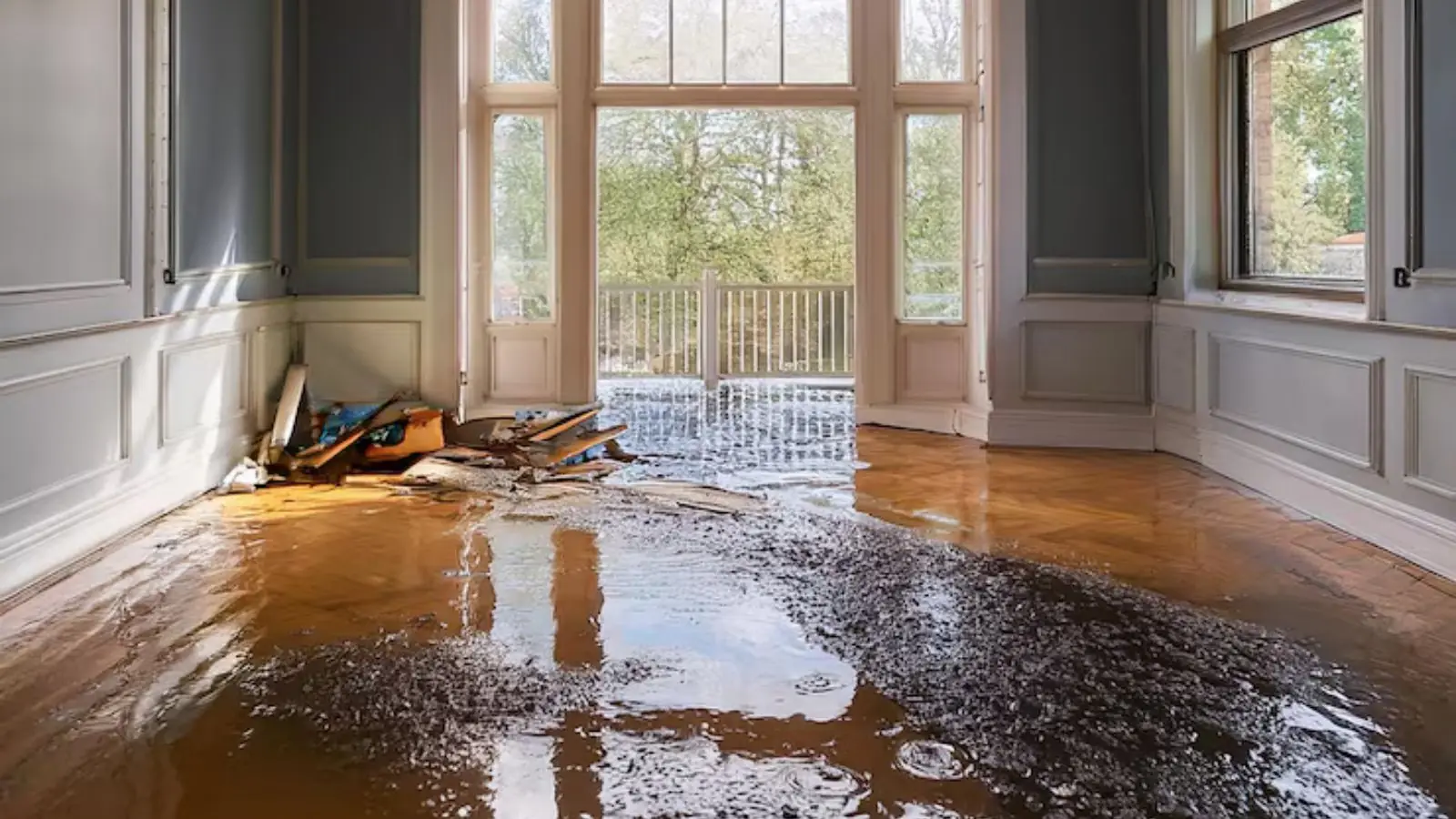
Wood is a bundle of tiny tubes that swell as they absorb moisture. A board that takes on water at the bottom or at the edges grows unevenly, and the shape it takes tells you where the moisture came from.
That is useful. Diagnosing water damage to a wood floor starts with the shape, then moves to measurements. This guide covers diagnosis. The repair options after drying are a separate decision.
Five Signs, Five Meanings
| Sign | What it looks like | What it usually means | Urgency |
|---|---|---|---|
| Cupping | Board edges higher than the center, like a shallow dish | Moisture is coming from below or the underside is wetter than the top | High, dry it soon |
| Crowning | Center of the board higher than the edges | Often follows cupping after the floor was sanded or dried from the top | Moderate, assess after drying |
| Buckling | Boards lift off the subfloor in a ridge or peak | Heavy, prolonged wetting or flooding | Urgent, call now |
| Gaps | Spaces opening between boards | Boards shrinking after drying out, or earlier movement | Lower, check the source |
| Dark staining | Gray, black or dark rings at seams and nail holes | Water has been present for some time | High, find the source |
A floor can show more than one sign. Cupping next to a dishwasher and gaps across the dining room, for example, usually mean two different events on two different timelines.
Finish type changes how quickly signs appear. Factory-finished planks often show cupping at the bevels first, while site-finished floors tend to hide trouble until the sealer cracks. Engineered boards have a plywood core that can delaminate, which makes edge swelling at the seams a warning worth photographing for your records.
Floor wet or already lifting?
Lift the water, pull rugs and furniture off the boards, and call the 24/7 line. Drying that starts early keeps more options open for the floor.
Reseda's Wet Months and Dry Months: What the NOAA Normals Mean for Floors
NOAA's 1991-2020 climate normals for Van Nuys Airport, a San Fernando Valley station, give an annual precipitation normal of 13.42 inches. By our arithmetic on the monthly normals, December through March accounts for about 10.99 of those inches, roughly 82 percent. June through September average 0.12 inches or less each month. That is the Van Nuys station, not Reseda itself.
The practical meaning is seasonal. Roof, window and door leaks that put water on a wood floor are most likely to show up in the winter months, and a stain that appears after a storm usually reaches the floor days after the rain. Wood also reacts to room humidity. A hygrometer costs little, and a steady reading in the 30 to 50 percent range EPA names as ideal is a sensible baseline for wood flooring.
Sources: NOAA NCEI 1991-2020 annual normals, Van Nuys Airport, NOAA NCEI 1991-2020 monthly normals, Van Nuys Airport, EPA: A Brief Guide to Mold, Moisture and Your Home
Moisture Readings: The Numbers Behind the Look
A floor that feels dry on the surface can still read high underneath. A technician takes meter readings across the floor in a grid and compares them with a reference reading from unaffected flooring of the same species in the same home.
Those readings are recorded. A drying log shows each day's numbers so the trend is visible. The floor is judged dry when readings return close to the reference, not when it looks or feels dry to the hand.
Thermal imaging helps find wet areas under finished boards, and a meter confirms them. Subfloors, underlayment and the wall base are checked too, because water travels and a floor can stay wet from below.
How Fast You Need to Act
EPA sets a one-to-two-day target for drying wet materials. Wood floors respond to that clock in their own way, because the longer boards stay wet, the more they distort and the less likely they are to settle back.
Remove the water source and standing water
Stop the leak and have extraction done quickly. A shop vacuum handles small spills. Larger events need extraction units.
Lift everything off the floor
Rugs, mats, boxes and furniture trap moisture and stain the finish. Use foil or blocks under heavy items that cannot move.
Start air movement
Air movers across the surface and dehumidification in the room pull moisture out. Dedicated floor drying systems can work through the boards.
Measure, then keep measuring
Readings every day show whether drying is working or whether the floor needs a different approach.
This is the work covered under water mitigation, and the sooner it begins, the more options remain open afterward.
Mistakes That Make Wood Floor Damage Worse
- Sanding or refinishing a floor before it is fully dry, which seals moisture in.
- Running heaters at full blast, which can split boards as they dry too quickly.
- Covering the floor with a rug or plastic sheeting that traps moisture.
- Waiting to see if it improves by itself.
- Ignoring the subfloor or the wall base where water entered.
Once a floor has dried and the readings agree, a flooring pro can judge whether it should be sanded, repaired or replaced. For rebuilding choices, see water damage repair.
The same approach holds in nearby Northridge and Woodland Hills, where our crews also work.
Frequently Asked Questions
Does the rainy season in Reseda change how I should check my wood floors?
Yes. NOAA normals for the Van Nuys Airport station show about 82 percent of annual rainfall falling from December through March. After a winter storm, check along exterior walls, near doors and beneath windows for cupping or dark spots, and take a meter reading if anything looks new.
Will a cupped floor flatten on its own?
Sometimes, if the moisture source stops and the floor dries slowly and evenly. A floor that stays cupped after readings return to normal is a candidate for sanding or repair. Do not sand while it is still wet.
What is the difference between cupping and buckling?
Cupping curls the edges of individual boards. Buckling lifts boards away from the subfloor in a ridge. Buckling usually signals heavier, longer wetting and is more serious.
Can a wood floor be saved after a pipe break?
It depends on how long the boards were wet, the water category and the type of floor. Early drying with air movers and dehumidifiers gives the most options, and readings guide the decision.
Should I remove boards myself to help it dry?
Only if a professional recommends it. Pulling a few boards can speed drying, but removing the wrong ones can damage the rest and complicate an insurance claim. Photograph first.
Water still spreading? Call the 24/7 line at (818) 337-2642.