
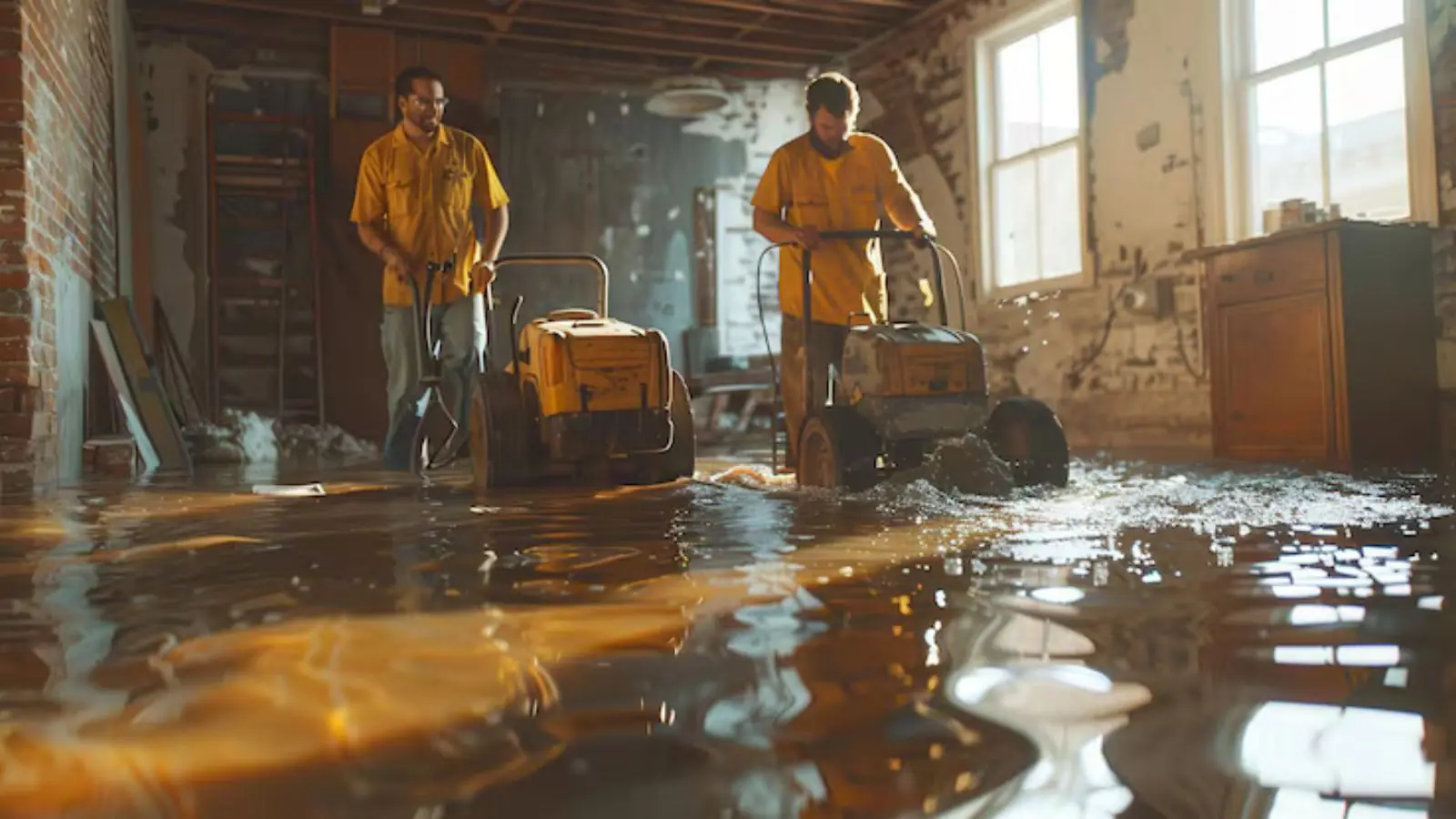
When Standing Water Is an Emergency
Emergency water removal means pulling standing water out of a building with pumps and extraction units before it soaks into drywall, subfloors and furniture. If your floor is wet right now, we are dispatched 24/7, and what you do in the next few minutes matters. Stop the source, shut off the main water valve, lift valuables and electronics off the floor, and keep kids and pets out of the water.
Cut power to wet areas only if the panel is dry and you can reach it without stepping in water. If you cannot, leave it alone and call your utility or 911 first. Then call our line. We cover ZIP 91335 and the streets around it.
Power and Gas Before Water
Do not wade into water near outlets, panels or appliances
Water and live circuits are a deadly mix. If outlets, a panel, a sump pump or an appliance cord is in or near the water, stay out, keep everyone else out, and call 911 or your electric utility before you call the restoration line. Only turn off a breaker if the panel is completely dry and reachable from dry ground.
If you smell gas, leave the building. SoCalGas says to avoid flames and switches, call 1-800-427-2200 from a safe place, and call 911 if life or property is in danger. Do not try to repair a damaged gas meter or pipe yourself.
Water still coming in?
Shut the main valve if you can reach it, then call the 24/7 line. Tell the dispatcher where the water is and how deep.
How Extraction Actually Works
The tool depends on how deep the water is and what it sits on. Submersible pumps clear inches of standing water from a garage, laundry room or bathroom. Truck-mounted extraction units pull large volumes from a long distance through hoses, while portable extractors handle upstairs rooms and spots a truck hose cannot reach. Weighted extraction wands press water out of carpet and pad, and squeegee-style tools lift it from hard floors.
Extraction removes the bulk, not the moisture inside the structure. After the standing water is gone, moisture meters and a thermal imaging camera show where wet material remains. That is when air movers and LGR dehumidifiers go in, which is the job of water mitigation. The two steps run back to back so the building does not sit wet.
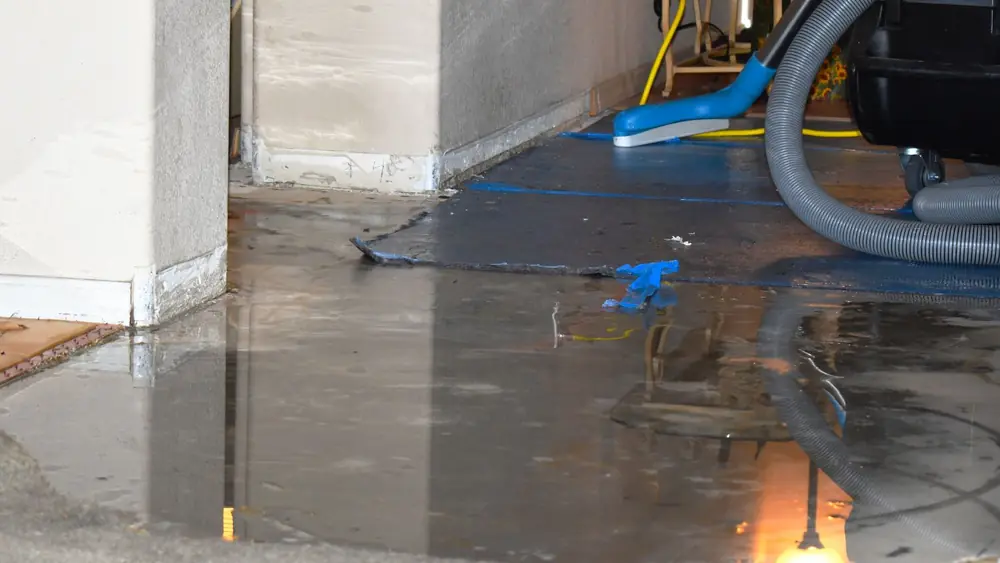
What Kind of Water Is It?
Water category decides how crews protect themselves and what happens to your materials. Industry practice under ANSI/IICRC S500 sorts water into three categories, and any company you hire should be able to tell you which one they are working in.
| Category | Typical source | Usual approach |
|---|---|---|
| Category 1 | Broken supply line, tub or sink overflow with clean water | Extract, dry in place, keep carpet and pad if caught early |
| Category 2 | Washing machine or dishwasher discharge, toilet overflow with urine only | Extract, treat surfaces, remove pad and often carpet, dry the structure |
| Category 3 | Sewage, rising ground water, long-standing contaminated water | Protective gear, containment, removal of porous materials, sanitizing |
Clean water gets darker in category over time. A Category 1 leak left for a couple of days can move up, which is another reason to call early.
Burst Pipe Water Damage
A burst pipe can dump gallons a minute into a wall cavity, an attic or a bathroom floor. Close the main shutoff valve first. LADWP's customer line, 1-800-DIAL-DWP, is open 24/7 for water emergencies if you cannot find or close your shutoff. LADWP leak guidance also describes a quick test: turn off every tap inside and out and watch the meter's leak-detection gauge. If it still moves, water is escaping somewhere.
Once the water is off, open cabinet doors under sinks and photograph everything before you move it. Water from a burst line often travels along framing, drops through a ceiling and pools in a floor cavity far from the break. We trace it with meters and thermal imaging so extraction does not stop at the visible puddle.
The pipe repair itself is a plumber's job. Ask your plumber to note where and when the pipe failed. Your insurer may ask for it.
Nights, Weekends and Holidays
Pipes do not fail on business hours. The 24/7 line is answered at 2 a.m. the same as at noon, and a crew is sent when available. Same-day response when available is the standard we aim for, though we do not promise an arrival time, because traffic, call volume and the size of the loss all change it.
To help the dispatcher, be ready to say where the water is, roughly how deep, where the water is coming from, whether power has been shut off and whether it looks clear, cloudy or dark. Those answers decide which equipment goes on the truck.
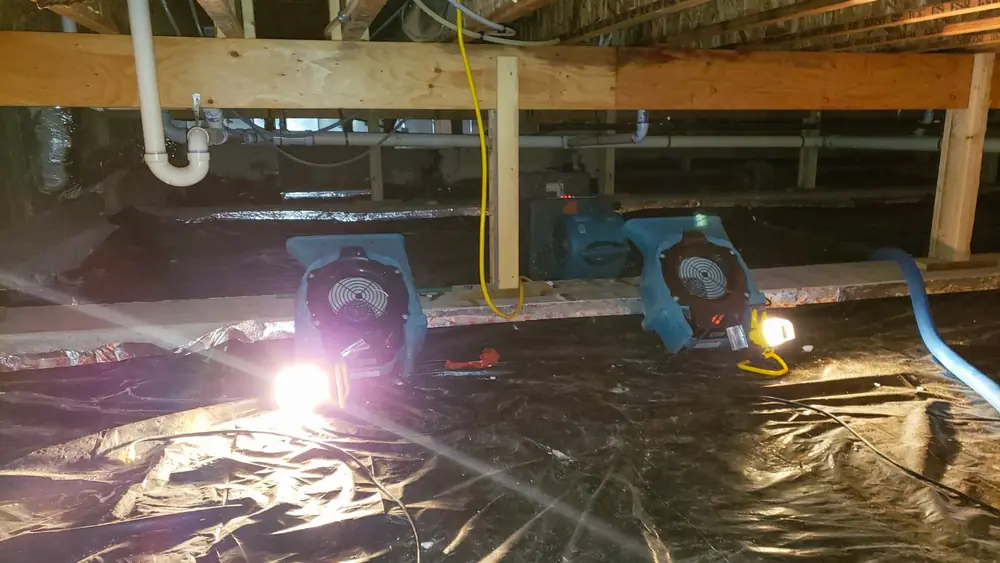
What Shapes the Price of Water Removal
Depth and volume of water
An inch across a bathroom is a smaller job than a flooded hallway and two bedrooms.
Category of water
Contaminated water needs protective gear, extra steps and often removal of materials.
Reach and access
Long hose runs, stairs, tight crawl spaces and attics change time and gear.
Hour of the call
After-hours dispatch takes crew and equipment out on short notice.
Follow-on drying
Once the water is gone, how many rooms need dehumidifiers and air movers affects the final scope.
Scope comes first, then price, and both are explained before work starts. To get your specific answer, call the 24/7 line and describe the water.
Documenting Water Loss for a Claim
Take photos and video of the water and damaged items before extraction, and keep anything the adjuster might want to see. The California Department of Insurance advises making temporary repairs, keeping receipts and not throwing out damaged items until your insurer says you can. A policy can also refuse later damage that better protection would have prevented.
Insurance note: check your policy first
Sudden and accidental water damage is often covered. Gradual leaks, neglect and flood often are not. Ask your insurer what applies to your loss. We record photos, moisture readings and equipment logs to support your claim file.
Extraction Calls Across Reseda and West of Corbin
Our dispatch point is in Reseda, and the neighborhood just west is Winnetka, where the Reseda boundary meets Corbin Avenue. After extraction, most losses continue into water damage cleanup for debris, deodorizing and contaminated materials. If the water came from rising ground water or a storm, see flood damage restoration.
Frequently Asked Questions
Do you handle emergency water removal emergencies at night or on weekends in Reseda?
Yes. The line is staffed 24/7 including nights, weekends and holidays. Same-day response is offered when available, but arrival times are not promised, because they depend on call volume and distance.
What should I do while I wait for the crew?
Shut off the main water valve if the water source is still running. Lift valuables and electronics, open cabinet doors under sinks, and stay out of water near outlets or panels. Do not use a household vacuum on standing water.
Can I rent air movers and dehumidifiers instead?
We do not offer rentals. Air movers push air across wet surfaces and dehumidifiers pull moisture out of the air, but placing them takes meter readings and a drying log. Extraction and drying are done by our crew.
Is the water category safe to judge myself?
Color and smell can mislead you. Anything from a sewer, a toilet with solids or ground water is treated as Category 3. If you are unsure, assume it is contaminated and keep out of it.
Will extraction alone save my floors?
Not by itself. Extraction clears the standing water, but wood, padding and drywall hold moisture long after the puddle is gone. Drying with meters follows right after.
Who pays for emergency water removal?
The work is billed to you, and your policy decides what you may recover. Sudden and accidental water damage is often covered by home policies, so call your insurer and ask. We provide photos, readings and logs to support the claim.
Water still spreading? Call the 24/7 line at (818) 337-2642.