
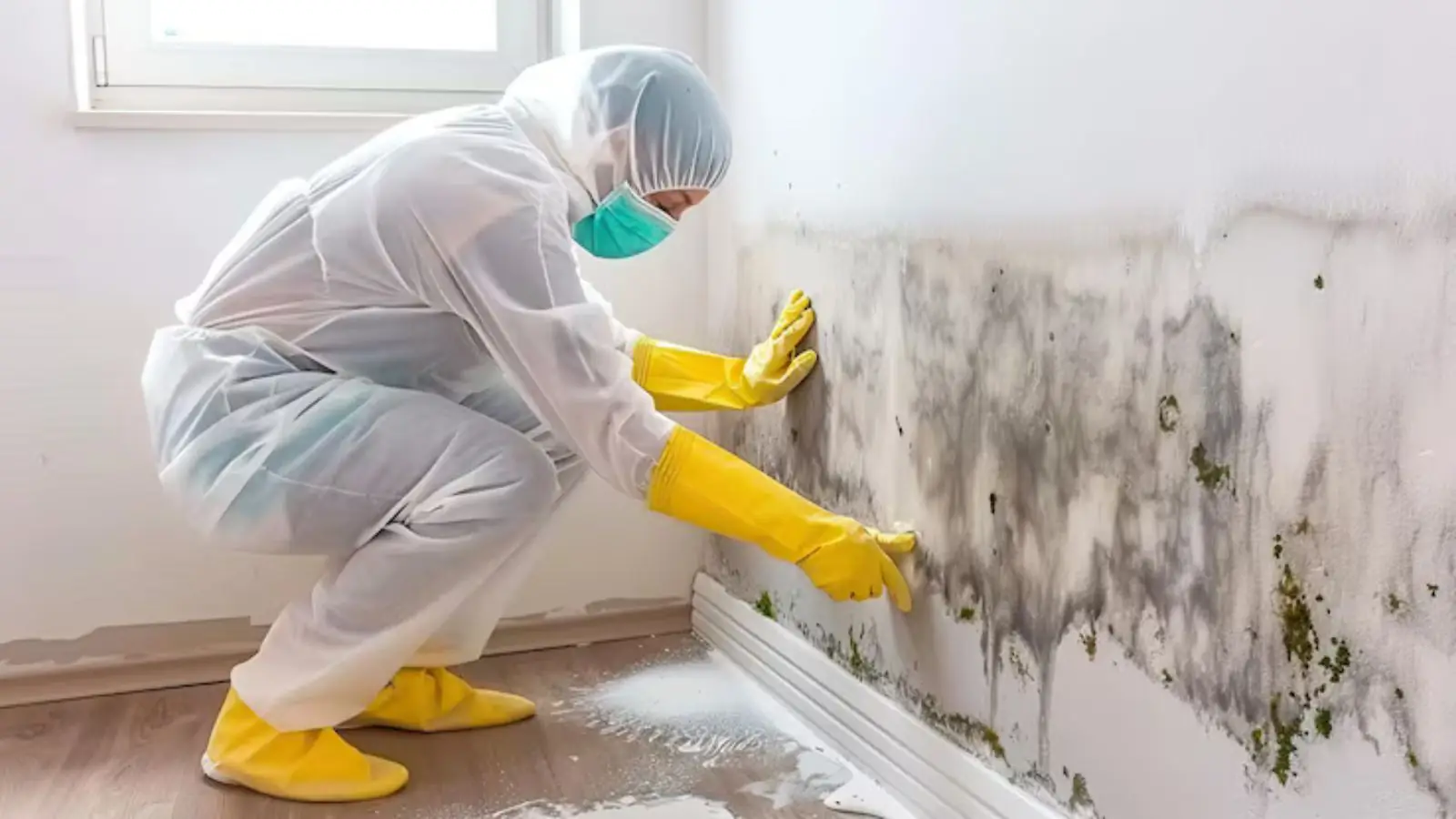
What mold remediation is, and why the leak comes first
Mold remediation is the controlled cleaning or removal of mold-affected materials, with the area sealed off so spores are not spread to the rest of the house. Industry practice follows the ANSI/IICRC S520 standard, and you can ask any company whether its crews work to it.
Mold needs moisture to grow. If the source is still active, anything removed will simply get wet again, so the repair of the toilet seal, sink trap, AC condensate line, roof flashing or siding gap comes before or alongside the work.
The closet wall looks fuzzy, the shower corner has dark spots, or a closed room smells musty?
Those are the ways most people first notice a moisture problem. Looks and smell alone cannot confirm mold, but they do mean something is damp. Mold remediation is the trade that finds the moisture, checks what is affected and removes it under containment.
Spots near a shower or tub corner
Often a caulk, grout or fan problem. Look for soft drywall or a stained ceiling below.
Wet spot in a closet
Check the wall behind it for a supply line, and check above for an AC condensate line that backs up.
Ceiling below a bathroom
A slow toilet or tub leak upstairs can stain a ceiling and wet insulation in between.
Musty smell in a closed room
Garage utility rooms, storage closets and under-stair spaces hold humidity. Not every Reseda property has a basement, but any enclosed space can do this.
Found spots after a leak? Tell us where the water came from
A toilet, sink, AC condensate line, roof or siding leak all point to different fixes. Describe yours and we will plan an assessment.
Mold After Water Damage
When water sits in drywall, carpet pad or wood framing, the clock runs. Anything that got wet is supposed to be dry within a day or two under EPA guidance, which is why prompt water mitigation matters so much after a leak.
If the water was missed, or a slow leak went unnoticed behind a wall, growth can show up days or weeks later. Remediation then has two parts. The moisture gets fixed and dried, and the affected materials get dealt with.
If the mold seems to come from a leak that ran for a long time, state insurance guidance is to phone your adjuster before cleaning it yourself, since coverage can hinge on what happened and when. Photograph first and ask before you tear anything out.
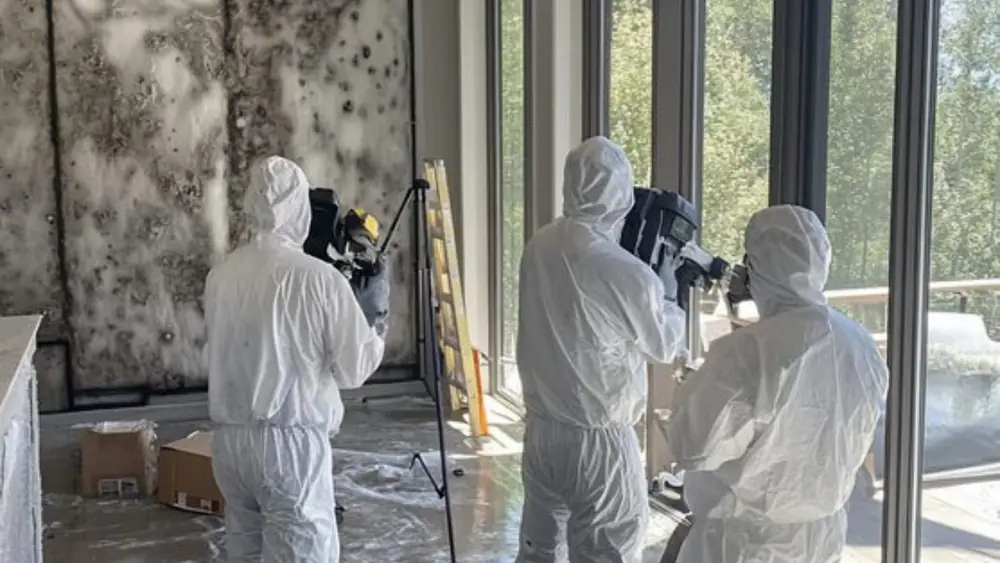
Mold testing, inspection and independent clearance testing
An inspection looks for moisture and visible growth, usually with a moisture meter and thermal imaging camera. It decides where the problem is and how large. Sampling is optional. The California Department of Public Health advises against sampling where growth is already obvious by sight or odor, since the next step is the same: find the moisture and remove the mold.
Clearance testing is different. It happens after remediation to check that the cleaned area meets the criteria set in the written protocol. Many people want an independent party for this, meaning a tester who is not the company that did the work.
| Stage | Purpose | Output |
|---|---|---|
| Assessment or inspection | Locate moisture, size the affected area, set scope | Written findings and photos |
| Remediation | Contain, remove, clean and dry the area | Work log, waste handling, final cleaning |
| Independent clearance | Check the work against the protocol | Report from a party not paid by the remediator |
Containment, negative air and HEPA: how the work is done
Fix and dry the source
The leak is repaired by a plumber or roofer, and wet materials are dried to normal readings.
Contain the area
Plastic sheeting seals the work zone, and a decontamination entry keeps spores from traveling on people and tools.
Create negative air
A HEPA air scrubber exhausts filtered air out of the zone, so air flows into the work area, not out of it.
Remove and clean
Affected drywall and other porous materials are cut out and bagged. Hard surfaces are HEPA vacuumed and wiped.
Verify
A visual check and, where the protocol calls for it, independent clearance testing close the job.
Mold Removal and Black Mold Cleanup
Color does not identify a species. Black, green and white growth all get handled the same way: find the moisture, contain, remove porous material and clean what can be cleaned. Calling something black mold is a label, not a diagnosis.
Bleach is not the answer on drywall, wood or carpet. It does not reach into porous material, and the state health department notes that porous materials like drywall usually cannot be cleaned effectively, so they come out. Painting over mold is also on EPA's list of things not to do.
EPA says occupants can usually clean mold areas under about 10 square feet (roughly 3 by 3 feet), with an N-95 respirator, gloves and eye protection. Larger areas call for EPA's remediation guidance. For questions about how mold affects your health, see a physician.
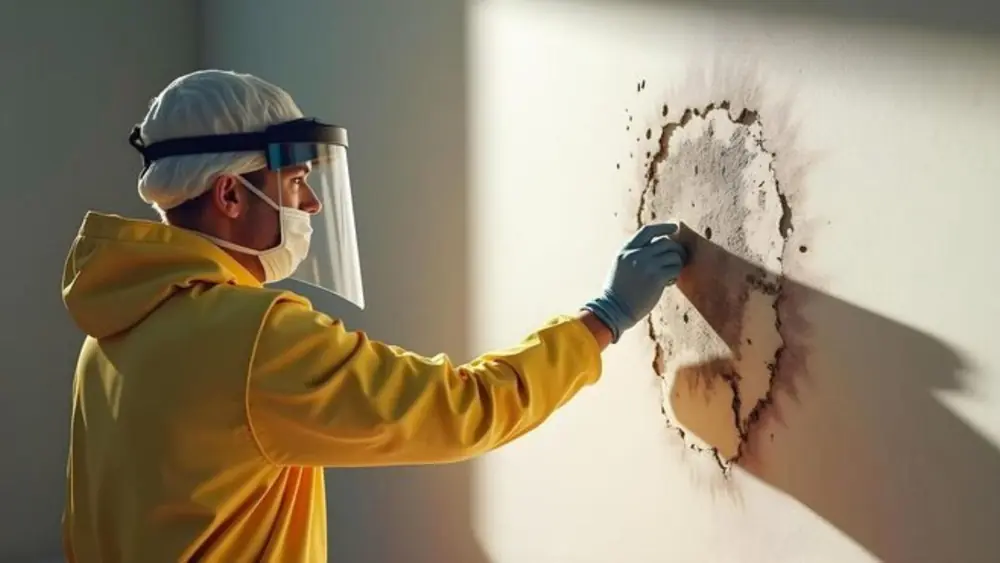
Choosing a mold company in California
Per the California Department of Public Health, no state regulations license mold remediators. So the questions fall to you.
- Do your crews follow S520, and can you show me the written scope?
- Who does the clearance testing, and are they independent of you?
- Is the contractor license current? Licensing matters at the $1,000 level under CSLB rules, and cslb.ca.gov shows whether a license is active.
- Is the leak source being fixed, and by whom?
EPA adds that a mold contractor should have relevant experience and work to recognized guidelines from EPA, ACGIH or IICRC.
What shapes the scope and the price
Mold callers ask for a quote right away. A real number requires knowing how big the affected area is and whether it is contained to one wall or runs through the cavity. The assessment settles that and the written scope lists the work before it begins.
Area and depth
A surface patch is a different job from a wall cavity with wet insulation.
Materials involved
Drywall and carpet are removed, while framing is cleaned and dried.
Containment and air filtration
Larger zones need more sheeting and more air scrubbers.
Access
Attics, crawl spaces and tight closets slow the work.
Testing and rebuild
Independent clearance, and any drywall and paint afterward, are separate line items.
Tell the dispatcher where the spots are and what leaked, and an assessment can be set up.
Mold and your insurance policy
Mold coverage usually follows the water event behind it. If a sudden covered leak caused it, the claim may reach the mold, but many policies cap or exclude mold from slow leaks and neglect. Read the policy and ask your insurer before work starts, and keep photos, receipts and the written scope.
Mold clearance when a house is being sold
Sometimes a buyer's lender or inspector asks that mold be addressed before closing. In that case, ask what the requirement actually is, since lenders and buyers set their own terms. Remediation plus an independent clearance report is the usual paper trail, but we cannot promise that any lender will accept it.
Reseda, Encino and Woodland Hills
Our office on Saticoy Street sits in ZIP 91335, and mold assessments extend to Woodland Hills (91364 and 91367) as well as Encino. Encino residents can read about water damage restoration in Encino. If a leak also needs dry-out and rebuilding, we handle water damage repair as well.
Frequently Asked Questions
My closet smells musty and there are spots on the wall. What should I do?
Do not scrub, spray bleach or paint over it. Check for a source: a wet wall behind a plumbing line, an AC condensate line above or a roof leak. Photograph the area and call. An assessment with a moisture meter finds what is damp and how far it goes.
A buyer's lender wants mold removed before closing. Can you help?
We can remediate and arrange an independent clearance report. Ask the lender exactly what documentation it wants. We cannot promise what a lender or buyer will accept.
Do I have to fix the leak first?
Yes. Mold needs moisture, so a leaking toilet, sink drain, AC condensate line, roof or siding gap has to be repaired. If it is not, the area will get wet again.
Can I just clean it with bleach?
Bleach does not penetrate drywall or wood. For a patch under about 10 square feet on hard surfaces, EPA says occupants can clean it with proper protection. Anything on drywall or larger than that calls for a professional assessment.
Is it black mold, and is it dangerous?
Color does not tell you the species and only lab results tell you more. Questions about health belong to a physician. What we can do is find the moisture and remove the growth safely.
Does California license mold remediators?
Per the California Department of Public Health, there are no state regulations licensing mold remediators. Ask about S520, a written scope, insurance and a current contractor license.
Do I need mold testing first?
Not always. If mold is visible or smelled, CDPH does not recommend testing, because the response is the same. Testing helps when the cause is unclear, or for clearance after the work.
How much notice do you need for an assessment, and is it same-day?
Call when you notice it. Same-day response when available, but mold is rarely an emergency, so scheduling depends on the day. Water that is still running is, so shut it off and call right away.
Water still spreading? Call the 24/7 line at (818) 337-2642.