
Emergency water damage cleanup: what happens once the water is stopped
Emergency water damage cleanup is the removal of leftover water, wet debris and contaminated materials from a building, followed by sanitizing and deodorizing the surfaces that stay. It starts after the pipe is shut off or the flood has receded. Our 24/7 line takes cleanup calls at night and on weekends too.
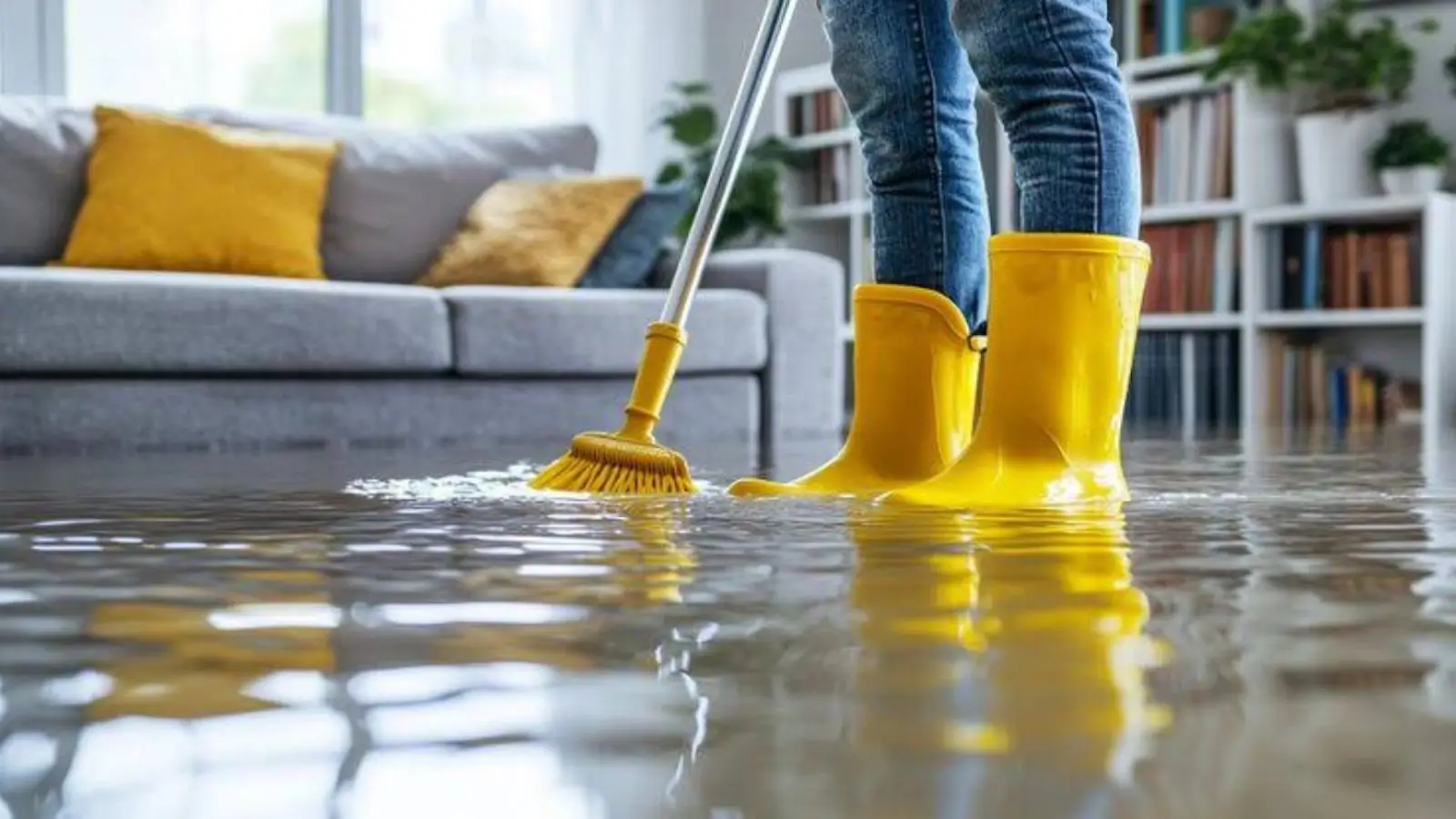
Before crews arrive, wear rubber boots and gloves in any room with wet floors and take photos of every damaged item before you move it. Keep children and pets out, run no vacuum cleaner on wet carpet, and set aside papers and photographs you want to save in a dry spot.
When contaminated water is in the house
Water is sorted into three categories, and the category sets the whole cleanup plan. It can also change: clean water that sits for a couple of days in warm rooms can pick up bacteria and be handled as a worse category. Cleanup choices follow the contamination categories in ANSI/IICRC S500, so ask which category your water was placed in and why.
| Category | Typical source | What cleanup involves |
|---|---|---|
| Category 1 | Broken supply line, tub overflow with clean water, sink supply failure | Extraction, wet debris removal, cleaning, drying. Porous items often survive if caught quickly |
| Category 2 | Washing machine discharge, dishwasher overflow, toilet overflow with urine only | Removal of carpet pad and wet porous materials, cleaning plus antimicrobial treatment |
| Category 3 | Sewage, rising floodwater, toilet backup with waste | Protective gear, bagged removal of affected porous materials, disinfecting, often a licensed plumber for the line |
EPA tells homeowners to hire a professional when damage involves sewage or other contaminated water. Do not wade through it, and do not rinse it down a drain.
Not sure what has to go and what can stay?
Describe the room, what the water touched and where it came from. A technician can tell you which category it likely falls into.
Sewage and toilet backup: stay out first
If the water came from a drain or toilet
Keep everyone out of the room, including pets, and do not touch wet outlets or cords. If the panel is in water, or you smell gas, leave and call 911 or the utility first, before the restoration line.
For a sewer main problem, LA Sanitation lists a 24-hour customer care line for the public sewer. Your plumber handles the private line inside your property.
What gets thrown out and why
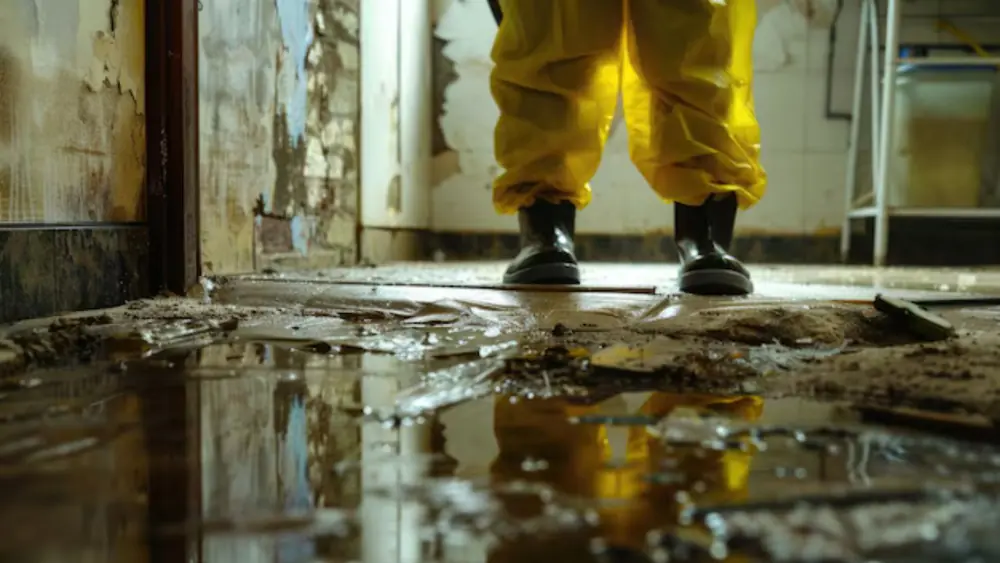
People are often surprised by how much is removed. The rule is simple: porous materials soak up water and anything in it, and they are slow or impossible to disinfect. After a flood, EPA notes that carpet and ceiling tiles may have to be thrown away. California public health staff add that drywall generally cannot be cleaned well.
Usually discarded
Carpet pad, insulation, particleboard cabinets and shelving, wet mattresses, upholstered pieces after contaminated water, and drywall that wicked up contaminated water.
Often cleaned and kept
Solid wood furniture, glass, metal, ceramic tile, sealed stone, plastic bins and most hard-surface dishes after a clean-water event.
Case by case
Hardwood floors, area rugs, books, framed prints and electronics. Readings and the water category decide.
Photograph and list items before disposal. Insurers may want to see damaged goods or at least photos of them, so get your adjuster's go-ahead before the dumpster arrives.
Odor removal and antimicrobial treatment
A lingering smell after a water loss usually has a physical source: damp pad, wet insulation, residue on subfloor or a spot nobody dried. Spraying fragrance over it hides the smell for a day. Removing the source ends it.
After debris is out, surfaces are cleaned with a detergent, because sanitizer does not work well on dirt. An antimicrobial product is then applied to the cleaned wood, concrete or tile and left for its stated contact time. Air scrubbers with HEPA filters can run during and after the work to catch fine dust from demolition.
If the smell is still present after the structure is dry, the next suspect is hidden material or microbial growth. At that point mold remediation may be the right next call.
How a cleanup job usually runs
Walk-through and category call
The technician finds the source, confirms it is stopped, and sets the water category and the scope.
Protect and extract
Floors and paths are protected, and any water left behind is pulled out with extraction units.
Remove debris
Wet pad, drywall, insulation and damaged contents are cut, bagged and carried out.
Clean and treat
Surfaces are cleaned, then sanitized with antimicrobial treatment where the category calls for it.
Hand off to drying
If the framing and floors are still damp, structural drying comes next, and rebuilding follows.
How cleanup scope and price are set
Callers usually want a number first. A responsible number comes after someone sees the room. The assessment records the source, category, area and contents, then the written scope lays out what comes out and what stays before work starts.
Water category
Sewage and floodwater require protective gear, bagging and disinfecting.
Square footage affected
Larger affected areas mean more debris and more labor.
Amount of contents
Sorting, moving and disposing of belongings takes time.
Material removed
Drywall, pad and cabinets each have their own labor and disposal needs.
Odor and treatment needs
Persistent smells may call for more cleaning passes and air filtration.
To see how these apply to your own room, tell the dispatcher what the water touched.
Cleanup and your insurance file
What the policy pays for turns on the cause and the exact wording. A pipe that bursts overnight is often handled differently from seepage that went on for months, and rising water from outside typically needs a separate flood policy. Ask your insurer which applies, and keep photos, an inventory of removed items, disposal receipts and the written scope.
Cleanup crews based in Reseda
Crews head out from our Saticoy Street office in ZIP 91335 to homes across Reseda. The hillside and valley streets of Woodland Hills (ZIPs 91364 and 91367) are also on the route, and our Woodland Hills water damage page covers that area.
When large amounts of standing water are still present, emergency water removal comes first. For storm and groundwater events, see flood damage restoration.
Frequently Asked Questions
Do you handle water damage cleanup emergencies at night or on weekends in Reseda?
Yes. The line is staffed 24/7. Call and the dispatcher will confirm what you can do safely until crews are scheduled. Same-day visits are offered when available, but arrival times depend on the day's calls and cannot be promised in advance.
Do I have to throw away my carpet?
Not always. Carpet that got clean water and is dried quickly can sometimes be kept, but the pad is usually replaced. Carpet touched by sewage or floodwater generally goes, because it cannot be reliably disinfected.
What is the difference between cleanup and mitigation?
Mitigation stops and dries. Cleanup removes damaged material and disinfects. Many jobs need both, in that order or at the same time.
How do you get the smell out?
By finding what is making it. Wet pad, damp insulation and residue are removed, surfaces are cleaned and treated, and air filtration runs where needed. Covering the smell with fragrance does not work.
Should I clean up the water myself before you arrive?
Clean water from a supply line can be mopped carefully while wearing gloves. Do not handle sewage or floodwater yourself. Leave wet carpet in place if you can, take photos, and ask before discarding anything you may claim.
Can cleanup crews deal with mold I find during the work?
We stop and separate it. Small, surface-level spots can be handled in cleaning. Larger areas call for containment, which is a different process, described on our mold remediation page.
Why does a quote need a visit?
A room can look minor and hold wet insulation, or look ruined and be salvageable. The visit records the category, area and contents so the written scope matches the real job.
Water still spreading? Call the 24/7 line at (818) 337-2642.