
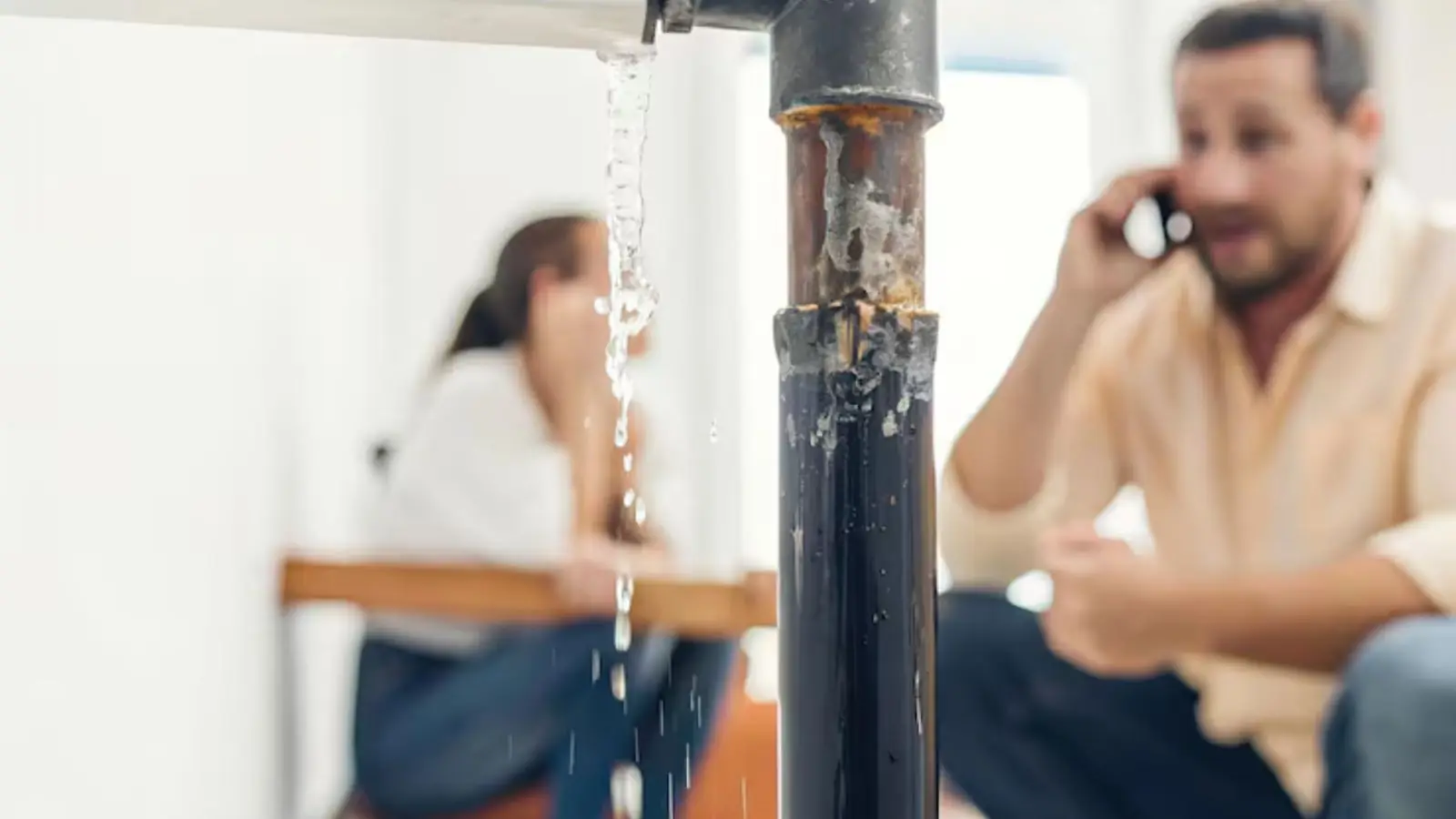
When Water Is Coming Through From the Unit Above
A drip you did not cause is still your emergency. Water that reaches your ceiling, walls and floor keeps spreading while people decide who is responsible. Your first job is to protect people, belongings and the structure. The blame conversation comes second.
- Move people and pets away from the wet area, and keep clear of ceilings that sag or bulge.
- Lift valuables, electronics and papers out of the path of the water. Use buckets under drips.
- Knock on the unit above or call the person who lives there, and ask them to shut off the water to the leaking fixture.
- Call your property manager, building maintenance line or HOA emergency contact so the main supply for that unit can be shut off.
- Photograph and video everything before you move anything you do not have to.
Water, ceilings and electricity
Do not touch a light fixture, outlet or ceiling fan that is wet or dripping. The breaker for that area can be switched off, but only if you reach a dry panel without walking through water. Sparks, a burning odor or a panel you cannot get to safely call for 911 or the utility, ahead of any restoration company.
Build the Record While the Damage Is Fresh
Every later conversation, whether with a landlord, an HOA, a neighbor or an insurer, depends on what you can show. The record starts the minute you notice the water.
- Dated photos and video of ceilings, walls, floors and damaged belongings.
- A short written timeline: when you first noticed water, what you did, who you called.
- Copies of every text, email or letter you send and receive about it.
- A list of damaged personal items, with approximate age and where you bought them.
- Receipts for anything you buy or pay for as a result.
Temporary repairs are expected, per the state insurance department (CDI), along with receipts and keeping damaged items until the adjuster okays disposal. CDI also says insurers may not cover further damage if reasonable steps to protect the property were not taken. Documenting what you did to limit the damage protects you.
Water coming through the ceiling now?
Move belongings, protect yourself from electrical hazards, and call the 24/7 line. Extraction and drying can begin while the responsibility question is being sorted out.
Reseda Rentals and Multi-Unit Buildings: What the Official Pages Say
Roughly 46.2 percent of housing is renter-occupied and 42.9 percent of units are in multi-unit buildings, according to LA City Planning's demographic figures. That share covers the plan area rather than Reseda alone, but it explains why leaks from a unit above are common in this part of the Valley. If you rent, your landlord rules matter. If you own a condo, your HOA documents matter.
The California Attorney General's tenant sheet says landlords must address health hazards such as visible mold and dampness, and must provide working plumbing and a roof and walls that keep out rain. The Los Angeles Housing Department lists 1-866-557-7368 as its main line.
LAHD also offers a Report a code violation option for unsafe or unhealthy conditions at multifamily rental properties in the City of Los Angeles. Neither page names leaks from a unit above, so ask LAHD how your situation is handled.
The California Department of Insurance says renters insurance covers belongings and can help with water backup damage, and that a landlord's policy often leaves out tenant risks. CDI's adjuster guide sets a 15-calendar-day clock for an insurer to acknowledge a claim. Check your own policy for what counts as covered.
Sources: City Planning: Reseda - West Van Nuys demographic profile (ACS 2020-2024), California Attorney General: Know Your Rights, Habitability, Los Angeles Housing Department: File a complaint, California Department of Insurance: Renters insurance, California Department of Insurance: residential property claim guide, California Department of Insurance: guide for adjusting property claims (2026)
Who to Contact, and in What Order
| Who | Why | How |
|---|---|---|
| The upstairs resident | They can shut off the fixture or the unit's supply | Knock, call or leave a note, then record that you did |
| Landlord, property manager or HOA | The building side may control the plumbing and the repair | In writing, with dated photos attached, and keep a copy |
| Your insurer | Starts your own claim for your damaged property and any covered repairs | By phone, then confirm in writing |
| Los Angeles Housing Department | Reports unsafe or unhealthy conditions at rental properties if a landlord does not respond | Through the Report a code violation option on the LAHD site |
| A restoration company | Dries your unit and documents the moisture | By phone, 24/7, as soon as water is present |
Writing things down matters. The California Attorney General's tenant sheet tells renters to request repairs in writing, keep copies and photos, and report unresolved problems to local code enforcement. It also says retaliation for doing so is prohibited.
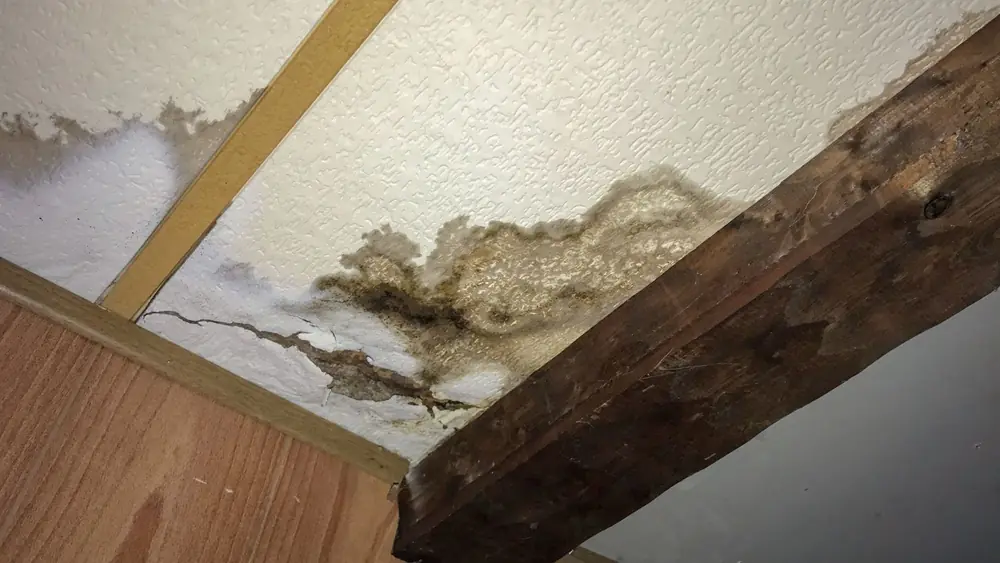
What We Could Not Confirm About Leaks From Above
We looked for an official rule that says who must pay for damage to your unit when the leak starts in the unit above. We did not find one on a government page. General habitability duties and the Los Angeles Housing Department complaint process are published, but they do not name leaks from a unit above.
That means the answer for your case depends on facts we cannot see: the cause, who controls the plumbing, your lease or HOA documents and your policy. Ask the Los Angeles Housing Department about renter issues, ask your landlord or HOA in writing who is responsible for the source, and ask your insurer how your loss is handled.
A restoration company can dry your home and document the damage. It cannot tell you who owes you money, and it should not claim to.
Getting Your Unit Dry While Responsibility Is Sorted Out
Waiting for a verdict on fault lets water do more harm. Extraction, air movers and dehumidifiers can start right away, and moisture readings will show how far the water traveled. This is emergency water removal, and the records it generates support whichever claim you end up making.
Rebuilding comes after the walls and ceiling read dry. Hanging and painting new drywall too early traps moisture, so confirm the readings first. The rebuild side falls under water damage repair.
Neighbors in Tarzana and Winnetka live in the same mix of apartments and condos, and the same steps apply there.
Frequently Asked Questions
Who do I report an upstairs leak to if I rent an apartment in Reseda?
Start with your landlord or property manager, in writing, with dated photos. If they do not respond, the Los Angeles Housing Department takes complaints about unsafe or unhealthy conditions at multifamily rentals in the City of Los Angeles. We did not find an official page that addresses leaks from a unit above, so ask LAHD directly.
Does my renters insurance cover damage from my neighbor's leak?
Renters insurance generally covers your belongings, and the California Department of Insurance says it can help with water backup damage. Whether your policy responds to this specific loss depends on its terms, so call your insurer and ask.
Can I start drying my apartment before I know who is at fault?
Yes, and you should. Insurers generally expect reasonable steps to limit damage. Document the water first with photos, then begin extraction and drying. Keep receipts.
Is a landlord required to fix a mold problem caused by a leak from above?
The Attorney General's tenant sheet says landlords must address visible mold and dampness. California law also says a landlord is not obligated to repair a mold-related problem until notified of it, so give notice in writing and keep a copy.
Can a restoration company tell me whether my neighbor or my landlord pays?
No. A restoration company dries the structure and documents moisture. Responsibility depends on the cause, your lease or HOA documents and the policies involved, and it is for your landlord, HOA or insurer to answer.
Water still spreading? Call the 24/7 line at (818) 337-2642.