
What Counts as Minor Ceiling Water Damage?
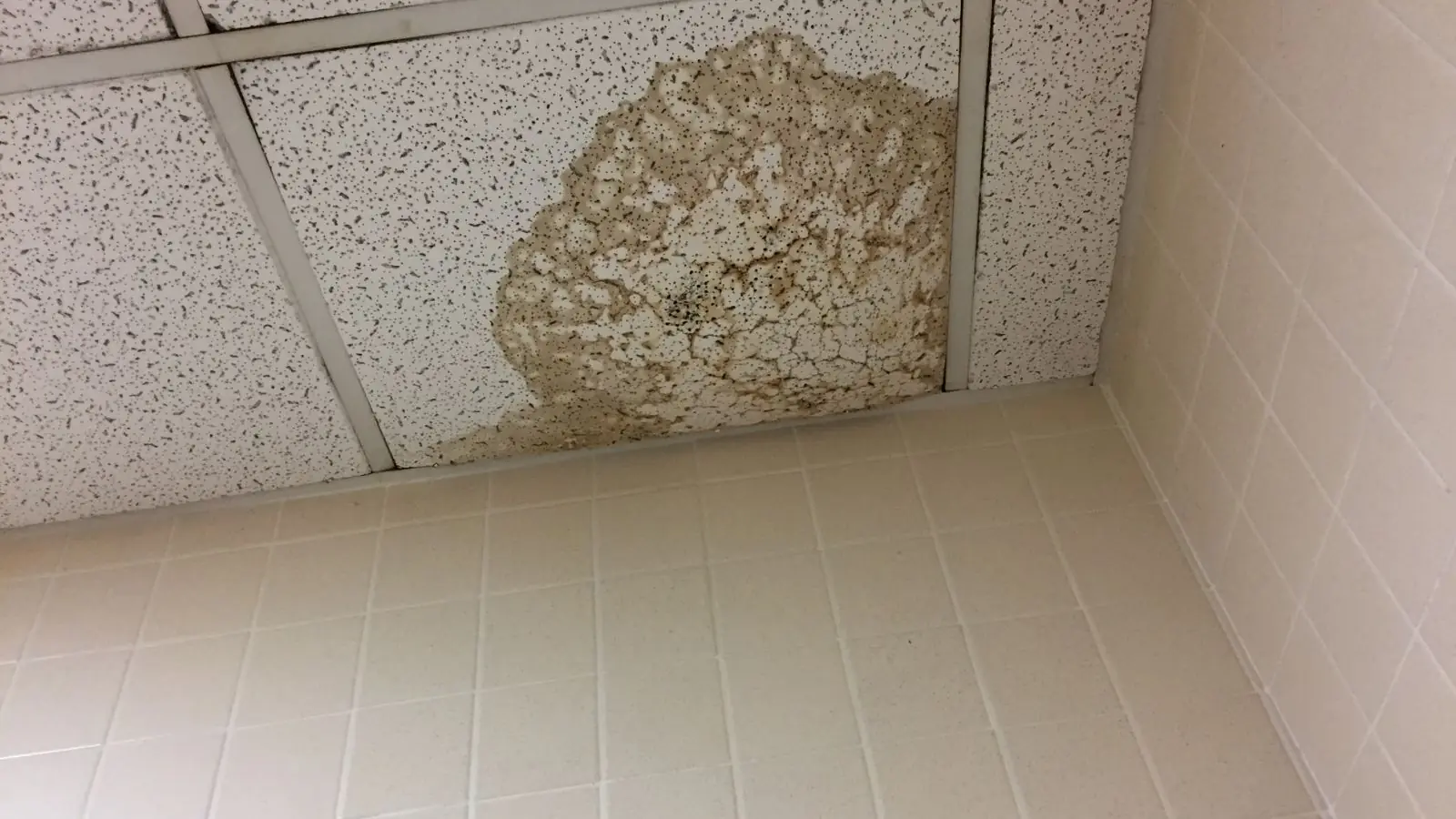
Minor ceiling water damage is a contained, dry, single-event stain on intact drywall. It does not grow, it does not smell, and the board feels as firm as the ceiling around it. Everything else, including a spot that returns after painting, belongs in a different category.
Size matters less than people expect. A thumb-sized ring under a leaking bathroom supply line can mean saturated insulation above it. A hand-sized ring from a one-time roof drip can be completely finished. What matters is whether water is still arriving and whether the materials above are wet.
Five Checks Before You Decide
- Touch. Press the center with a flat palm. Firm and dry is encouraging. Cool, spongy or crumbly is not.
- Color. A single tan or yellow ring with a crisp edge usually means a past event. Several rings stacked like tree growth mean repeated wetting.
- Texture. Bubbling paint, peeling tape at seams or a visible dip means water is or was held behind the surface.
- Smell. A musty odor means moisture has been present long enough to matter, even if the stain looks small.
- Timing. Does the spot darken after rain, after a shower upstairs, or when the AC runs? A pattern points straight at the source.
Two or more warning answers move you out of DIY territory. A moisture meter, which takes seconds, settles the rest.
Not sure which kind of stain you have?
Describe the spot to the 24/7 line. We will tell you whether it sounds like a watch-and-wait stain or a job for meters and a crew.
Reseda Housing Mix: Why Ceilings Here Often Have a Neighbor Above
Of 37,825 housing units in the planning area, 46.2 percent are renter-occupied and 42.9 percent sit in multi-unit buildings, per the department's ACS-based demographic profile. That mix means a large share of ceiling stains in this area may be traceable to another household's plumbing, not your own. Before you pay for a repair, find out who owns the source.
The California Department of Insurance advises stopping leaks at the source and drying wet areas promptly with air circulation and dehumidification. It also says to call the adjuster rather than clean up suspected long-term-leak mold yourself. EPA adds that wet materials should be dry within one to two days to keep mold from starting. Together, those two agencies give the practical rule: stop it, dry it quickly, and do not scrub a suspicious patch yourself.
Sources: City Planning: Reseda - West Van Nuys demographic profile (ACS 2020-2024), California Department of Insurance: residential property claim guide, EPA: A Brief Guide to Mold, Moisture and Your Home, California Attorney General: Know Your Rights, Habitability, Council District 12: Reseda community page
Minor or Not: A Decision Framework
| Signal | Likely minor | Likely needs a pro |
|---|---|---|
| Area | Smaller than a dinner plate, single ring | Larger than a dinner plate, or spreading |
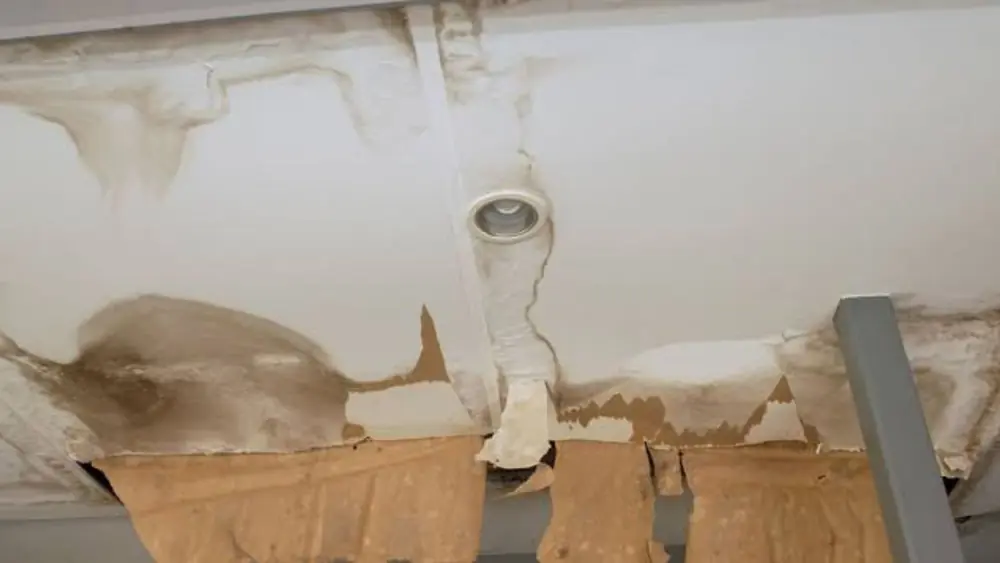
| Surface | Firm, smooth, paint intact | Soft, bubbled, sagging or cracked at seams |
| Smell | None | Musty or sour |
| History | First time, source already repaired and confirmed dry | Stained before, painted over, or source unknown |
| Source | One-time roof drip or overflow that is stopped | Plumbing, AC condensate line, attic or a unit above |
| Meter reading | Matches a dry area of the same ceiling | Higher than the reference reading |
The last row is the tiebreaker. Compare the reading at the stain with one taken on dry drywall in the same room. Matching numbers on a stable stain mean you can repair and repaint. A higher reading means water is still in there.
Where Reseda Ceiling Leaks Usually Come From
The stain is rarely under the leak. Water runs along framing and pipes before it drops, so the source can sit several feet away. Four origins cover most cases.
Roof and flashing
Look for stains that show up only after rain, often near a vent pipe, chimney or roof edge.
Plumbing overhead
A supply line, drain or tub trap above shows up after use. Stains that darken after a shower point here.
AC condensate line
A clogged drain pan or line drips into the ceiling below the air handler, mostly while the system is running.
Unit above
In a condo or apartment the source may be a neighbor's fixture, which changes who must fix it. See the note below.
If the source is anything other than a stopped, one-time event, the next step is stopping it, then drying, then repair. Our water damage repair work picks up after the drying phase is verified.
A One-Week Watch Plan for a Truly Minor Stain
If every check says minor, do not paint yet. Treat the first week as observation.
- Trace the edge of the stain in pencil and write the date beside it.
- Photograph it in the same light each day.
- Note any rain, showers upstairs or AC cycles when the spot looks different.
- Run a fan or dehumidifier in the room to move moisture out of the board.
- Check again after the first rain, because a seal that held in dry weather may not hold in a storm.
If the edge moves, the spot darkens or a smell appears, stop the project and bring in a meter and a camera. When a repeating stain reaches a wall or a ceiling joint, ask about mold remediation as well, since mold needs moisture to grow and repeated wetting provides it.
Minor Stains Under a Neighbor's Unit
A stain beneath another unit is never entirely minor, because you cannot repair the source. Photograph it, write the date, and tell your landlord or HOA in writing. The same applies if you live in Tarzana or Encino, both of which border Reseda and both of which our crews cover.
Repairing the ceiling before the source above is fixed will put you back where you started.
Frequently Asked Questions
Is a ceiling stain in a Reseda apartment my landlord's problem?
Often, yes. The Attorney General's tenant sheet says landlords must keep roofs, walls and plumbing in working order, and it advises tenants to request repairs in writing and keep copies and photos. Details depend on your lease and the cause, so ask the Los Angeles Housing Department if the response stalls.
Can I use a hair dryer or heater to dry a small ceiling stain?
It dries the surface and leaves the insulation and framing wet. A moisture meter reading afterward is the real test. A fan or dehumidifier works better than heat for moving moisture out of the room.
A ceiling stain is small but smells musty. Is it still minor?
Treat it as not minor. An odor means moisture has been present for some time. Find the source, keep the area dry, and ask a professional to take readings before you paint or patch.
Do I have to cut out a minor stain?
Not if the board is firm, dry and the source is confirmed fixed. A stain-blocking primer and fresh paint can finish it. Cut out board that is soft, bubbled or sagging.
Does homeowners insurance cover minor ceiling water damage?
Sudden and accidental water damage is often covered, but a small repair may fall below your deductible. Gradual leaks are often excluded. Check your policy and photograph the damage before repairs.
Water still spreading? Call the 24/7 line at (818) 337-2642.